


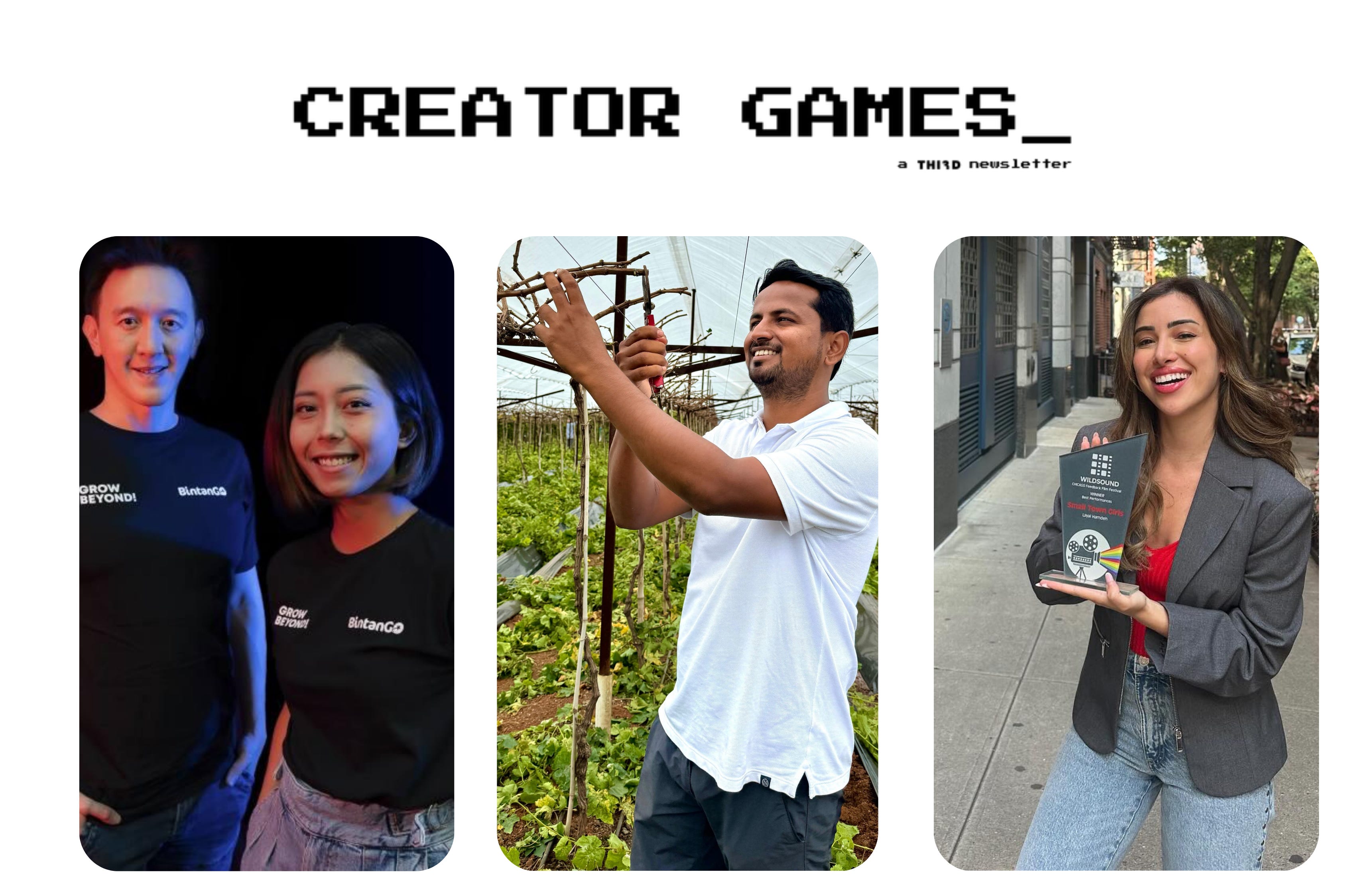
Good afternoon, and welcome to the second issue of Creator Games.
I’m Salil, co-founder of Third Studios, I lead everything creator economy at THIRD, and I’ll be writing and editing this newsletter every week.
Creator Games exists to discover, fund and tell the stories of the next generation of creator entrepreneurs. This newsletter is where we share the ideas, companies and opportunities driving that mission across Asia, Africa and the Middle East.
If you’ve got any stories to share or any feedback, feel free to email me at salil@third.group.
— Salil
Today’s lineup:
Indonesia’s creator platforms are gearing up for a breakout year
Two Indian farmers used content to make agriculture aspirational again
The UAE’s newest brand strategy looks more like Netflix than advertising

Indonesia’s creator platforms are gearing up for a breakout year
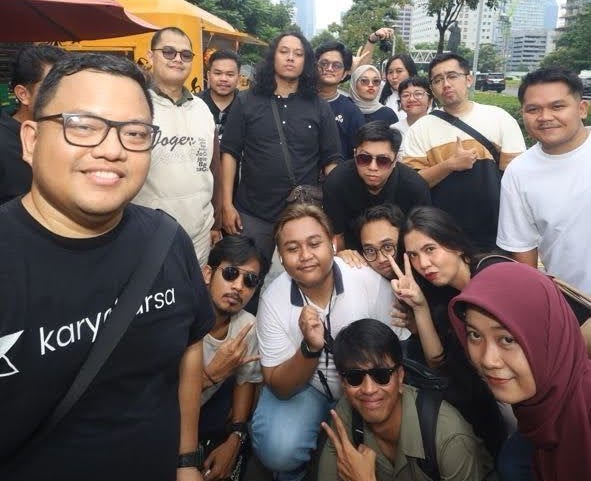
Indonesia has 180 million young people entering the workforce by 2030. Most of them want to be creators. Nobody built the infrastructure for that. Until now.
The Business Case →
Oktorika Mandasari started at 16, walking the streets of south Jakarta looking for work because her parents didn’t think education was worth it for a girl. She didn’t end up married at 17. She ended up running a tech agency.
In 2021, she partnered with Jason Lee, co-founder of co-working startup Cohive, to build BintangGO, a platform connecting nano creators with brands. Today it has 10,000 creators. 80 per cent women. 70 per cent under 30.
The model is simple and deliberately unglamorous. These aren’t mega-influencers. They’re first-time earners learning to make videos for brands, going from ~$18 a month to over $60. BintangGO takes 5 to 25 per cent of what they earn.
The company has raised $2.5M and is now exploring debt financing to front creators cash before brand payments clear. Lee’s framing: “The creators are like Gojek drivers. We can be the Gojek for the creator space.”
On the other end of the creator stack, Ario Tamat built KaryaKarsa for a different overlooked group: writers. He started it in 2019 with $14,000 borrowed from family.
The logic was simple: writers do 75 per cent of the platform’s GMV while making up only 40 per cent of creators. They were underpriced and underserved. KaryaKarsa gives them 90 per cent of revenue, lets them own their IP, and sets their own fees. 99,000 creators. 600,000 users. GMV already exceeds 2021 figures by May 2022.
My POV: The creator economy conversation is dominated by the US and Southeast Asia always gets footnoted. Indonesia shouldn’t be. 180 million young people, a creative economy worth $130M, and a domestic appetite for locally produced content that’s already generating hundreds of millions in ticket sales and streaming revenue.
What BintangGO and KaryaKarsa are building isn’t just startup infrastructure, it’s the economic layer that turns aspiration into income at scale.
The West built creator monetisation for creators who already had audiences. These platforms are building it for people who are still finding their voice. That’s a harder problem, and a much bigger market.
Two Indian farmers used content to make agriculture aspirational again
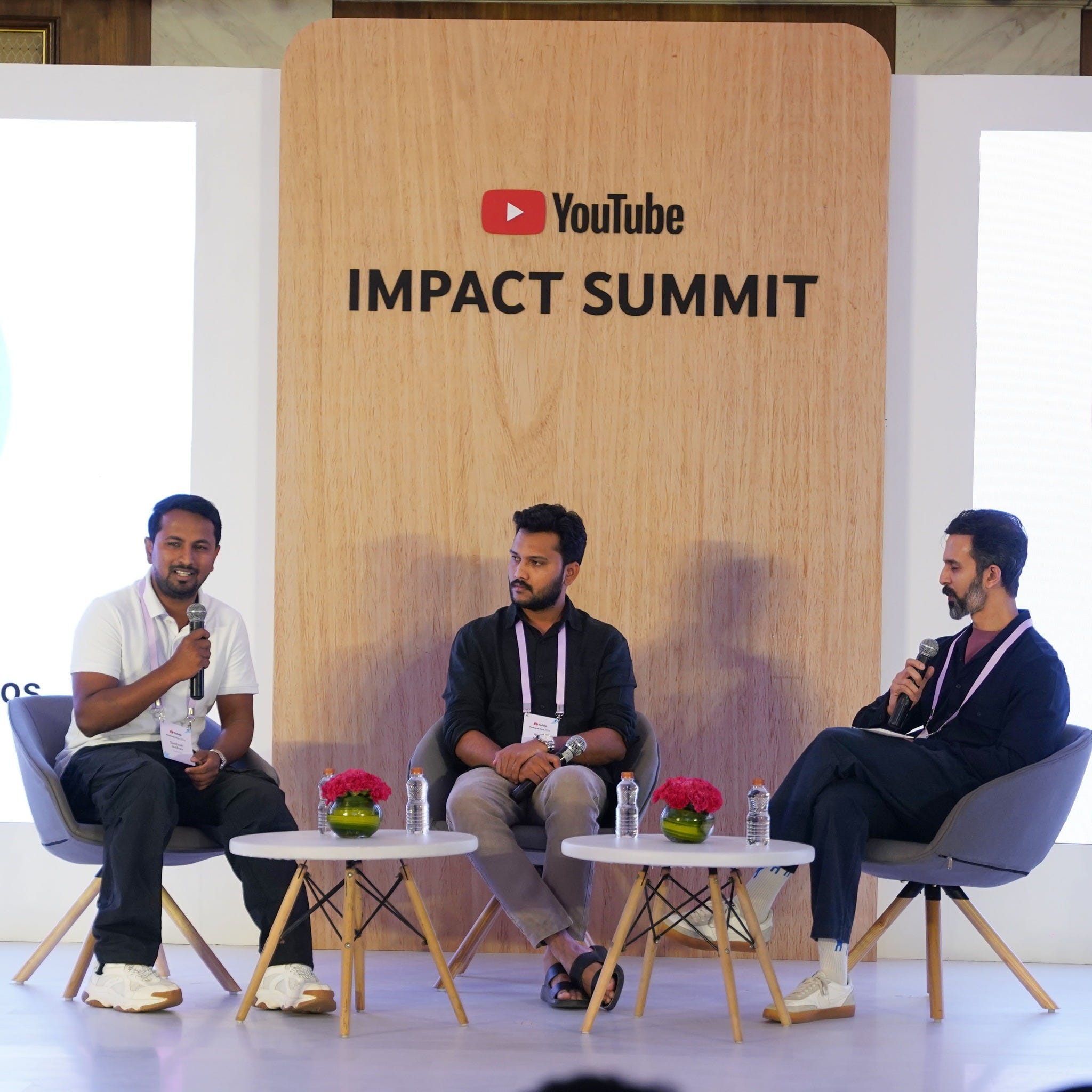
I’ll tell you one thing, content can change your life. And this isn’t me just rambling.
One of the stories I was fortunate enough to discover was about two Indian farmers who used content to educate, transform, and empower other farmers to do better.
We all know India, or Bharat, as they say, is an agrarian economy. I come from an area that is heavily dependent on agriculture. In fact, my dad’s business is dependent on it too.
So this story isn’t just significant to me, it’s personal. And that’s what makes it so meaningful to share.
The Business Case →
Indian agriculture has a content problem. The sector feeds a billion people and employs half the workforce,but for decades, its knowledge lived in government pamphlets, agronomist visits, and word of mouth passed between fields. Nobody made it watchable.
Santosh Jadhav and Akash Jadhav changed that calculus. Santosh walked away from a family business in Prayagraj in 2015 to return to Maharashtra and farm high-value crops like capsicum andgrapes. Akash came in with mechanical engineering training and a filmmaking instinct. In 2017, they co-founded Indian Farmer with one idea: teach farmers something new, on camera.
The first YouTube video went up in 2018 with no production budget and no audience. By 2019, they were travelling across the country,agricultural markets, apple orchards in Himachal, paddy fields in the south, documenting what actually works at ground level. By 2020, the content had gone viral. They expanded into Marathi and Kannada to reach farmers the English internet had never spoken to.
By 2021, BBC, NatGeo, and Times of India were paying attention. By 2024, Indian Farmer had a community of over 10 million farmers. The content library now sits at 5,000 educational videos.
My POV: Most agri-tech startups went after the supply chain like logistics, lending, and market access. Santosh and Akash bet on something less obvious: that information was the real bottleneck.
Agriculture isn’t a sexy business. Nobody was lining up to make farming content in 2018. They chose education, consistency, vernacular languages and turned it into a 10 million farmer community that took seven years to build and would take most consumer startups a decade to replicate.
Content opens markets that capital alone couldn’t unlock, demographics that were invisible to brands, sectors that were too fragmented to reach, communities that nobody thought were worth talking to.
The UAE’s newest brand strategy looks more like Netflix than advertising
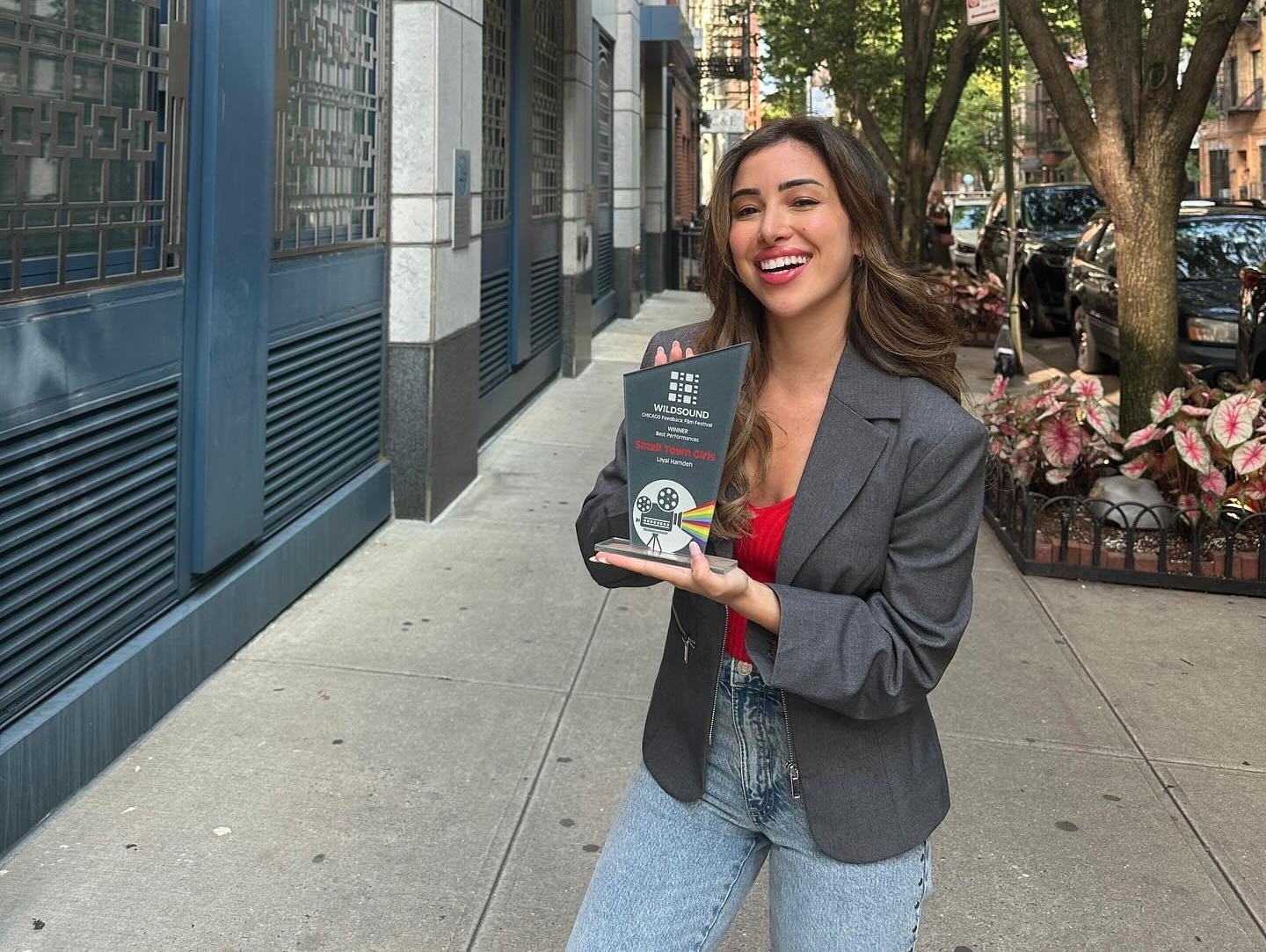
For decades, UAE brands ran on influencer logic: pay someone with the following to hold your product. That model is being replaced by something more expensive, more structured, and harder to copy.
The Business Case →
Layal Hamdeh is currently the lead in a 30-episode scripted micro-series called Stories After Sunset built with UAE fashion label Numi & Co.
Each episode runs under a minute, pulls from Middle Eastern folklore and cultural history, and weaves the brand’s luxury silk scarves into the narrative so naturally you almost miss them. The product is never the story. The story is the story.
The series drops daily across social platforms with the architecture of a TV show, running at 60 seconds a chapter.
Hamdeh didn’t arrive at this format by accident. Eight years in New York: CBS, the UN, the BBC, followed by a move to Dubai where she joined blinx, a digital media platform covering politics, fashion, sports, and entertainment. Eventually she earned Gulf News’s Best Content Creator award in 2025. She understands both how stories are made and how they travel.
My POV: UAE brands spent years borrowing credibility from creators. Numi & Co. is doing something structurally different, they’re not renting Hamdeh’s audience, they’re building shared IP.
Brands are now thinking like studios: investing in narrative depth, episodic tension, and characters audiences return to, not ads they skip.
When marketing is built like a TV show, the line between brand and entertainment stops being visible. The harder question is whether UAE-born labels can take this format global, or whether it stays a regional advantage that international brands eventually show up to copy.
🗞 Creator Gossip
A new BCG report maps India’s creator economy at 2–2.5 million monetised creators influencing $350-400 billion in consumer spend with that figure projected to cross $1 trillion by 2030. The catch: only 8–10% of creators currently monetise, making India one of the biggest untapped creator markets on the planet.
Sony and Marvel’s Spider-Man: Brand New Day landed $355 million domestically in its opening weekend, the second-biggest debut in box office history. Globally, it crossed $927 million. China led international markets with $121 million, India set a new record at $31.8 million, and the Middle East posted its biggest opening of all YouTube has banned a wave of ASMR creators citing violations. Creators say the bans wiped out years of archived content and income without warning.
Subscribe | Advertise | Apply for funding | Watch | Follow
Great read! Really cool stuff 🙌🏽