


Good afternoon, and welcome to the sixth issue of Creator Games.
I’m Salil, co-founder of Third Studios, I lead everything creator economy at THIRD, and I’ll be writing and editing this newsletter every week.
Creator Games exists to discover, fund and tell the stories of the next generation of creator entrepreneurs. This newsletter is where we share the ideas, companies and opportunities driving that mission across Asia, Africa and the Middle East.
If you’ve got any stories to share or any feedback, feel free to email me at salil@third.group.
— Salil
Today’s lineup:
Vietnam’s creative economy is turning into a $95B beast.
How a small Independent newspaper still manages to find its readers.
Why are tech companies & VCs wanting to own a piece of the creator economy.

Vietnam’s creative economy is turning into a $95B beast.

I’m in Vietnam right now, and as I write this edition of Creator Games, I wondered what the creator economy looks like here. So, I read up a few articles, understood the sectors that are booming, and creators that have benefited the most. So here’s a brief breakdown.
The Business Case →
According to The Art and Science of Authenticity report, Vietnam’s creator economy is on track to generate $95 billion in commercial value by 2030. The report argued that polished content is losing, 3 in 4 people skip content that appears overly polished or inauthentic.
In Vietnam specifically, the pull toward raw, real content is even stronger than the regional average. 95% of Vietnamese consumers say authentic content directly influences their purchase decisions and Vietnamese audiences are 1.3x more influenced by livestream content than the APAC average.
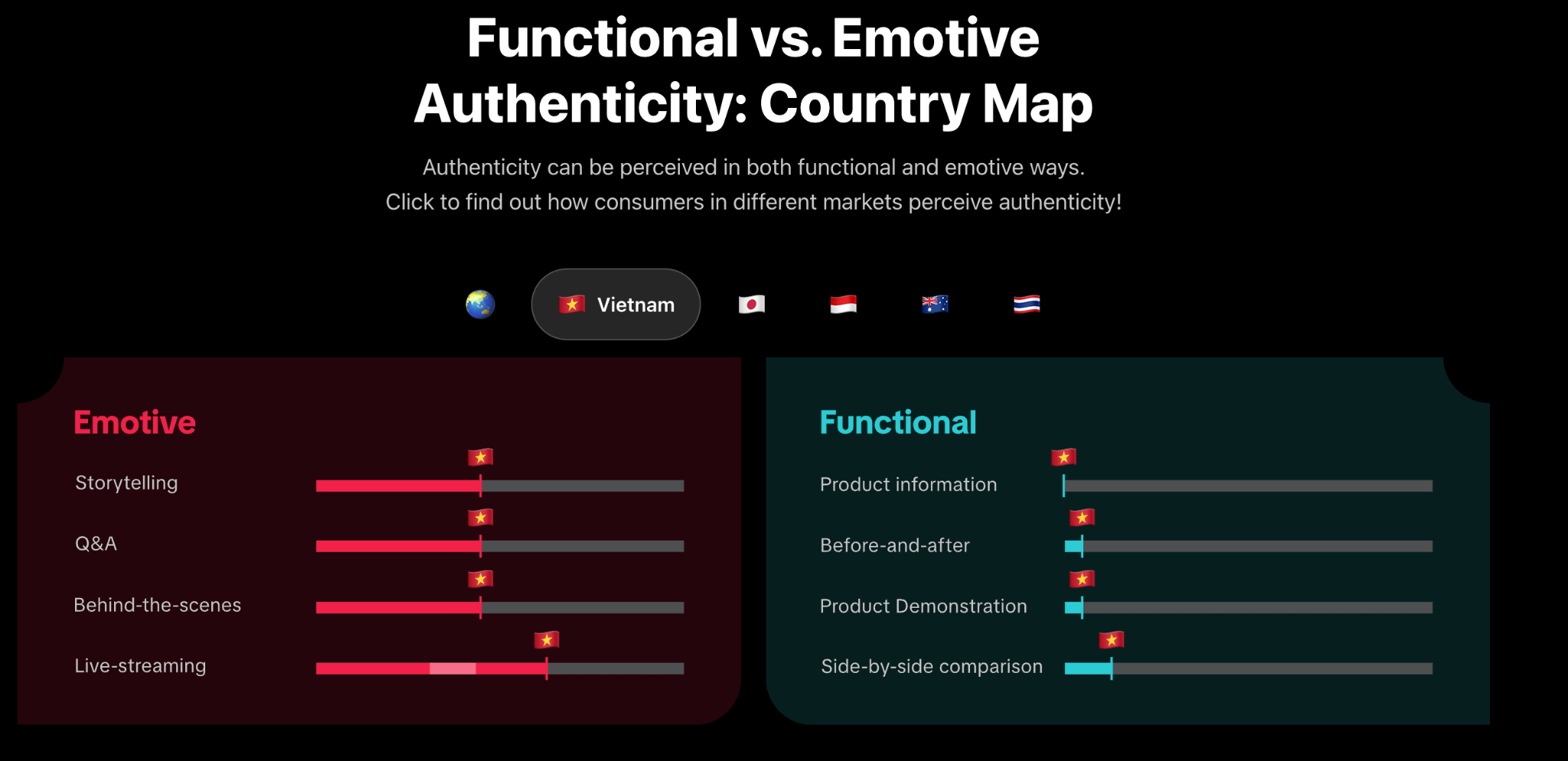
The case study TikTok leads with for Vietnam is about Jayni (@Jaynitravel), who transformed a career setback into a cultural storytelling platform, driving 87x revenue growth and 94x commission volume between 2024 and 2025.
And the other story is about PewPew. He built his name as one of Vietnam’s early gaming streamers before turning to TikTok Shop in 2023. His “Tạp hóa PewPew” (Pewpew’s General Store) channel quickly took off, mixing livestream commerce with his trademark humour and no-nonsense style, reaching 1 million followers within a year.
In the broader scheme of things, creator-led marketing is also expanding well beyond lifestyle. Gaming, financial services, consumer electronics, and mobile apps are emerging as the next wave, with brands in these categories using creators not just for awareness but to drive direct purchase decisions.
On the supply side, the platform’s monetized creator base has grown significantly. The number of monetized creators on TikTok grew 1,267% year-on-year as of Q3 2025.
The AI layer is also accelerating output. TikTok’s Symphony tool let Unilever’s Vaseline campaign generate 2,000 images and 300+ creator-ready videos in just three days. Two in three consumers across APAC now say they want brands and creators to use AI-generated content and TikTok users show 1.5x more interest in AI-enhanced content than users on other platforms.
My POV: The biggest takeaway after reading the report is to be “Flawsome”, that is to be awesome despite your flaws and that’s what’s attracting the viewers the most.

How a small Independent newspaper still manages to find its readers.
So, the next story is really interesting. Perhaps the times we live in make it even more relevant. When Chaymae shared this with me a few weeks ago, I knew I had to share it with you.
Newspapers have been an integral part of my life. I’ve run for them, fought with my friends over them, skipped morning school assemblies just to get my hands on them, scrolled through the sports section, and been the first to know what was happening in the world of sports.
For me, newspapers were the only source of information before I got access to the internet at school. So, when I read the story about the Chronicle, I just wanted to write about it. Because, in some sense, they were the creators of the century before the ones we’re so familiar with today.
The Business Case →
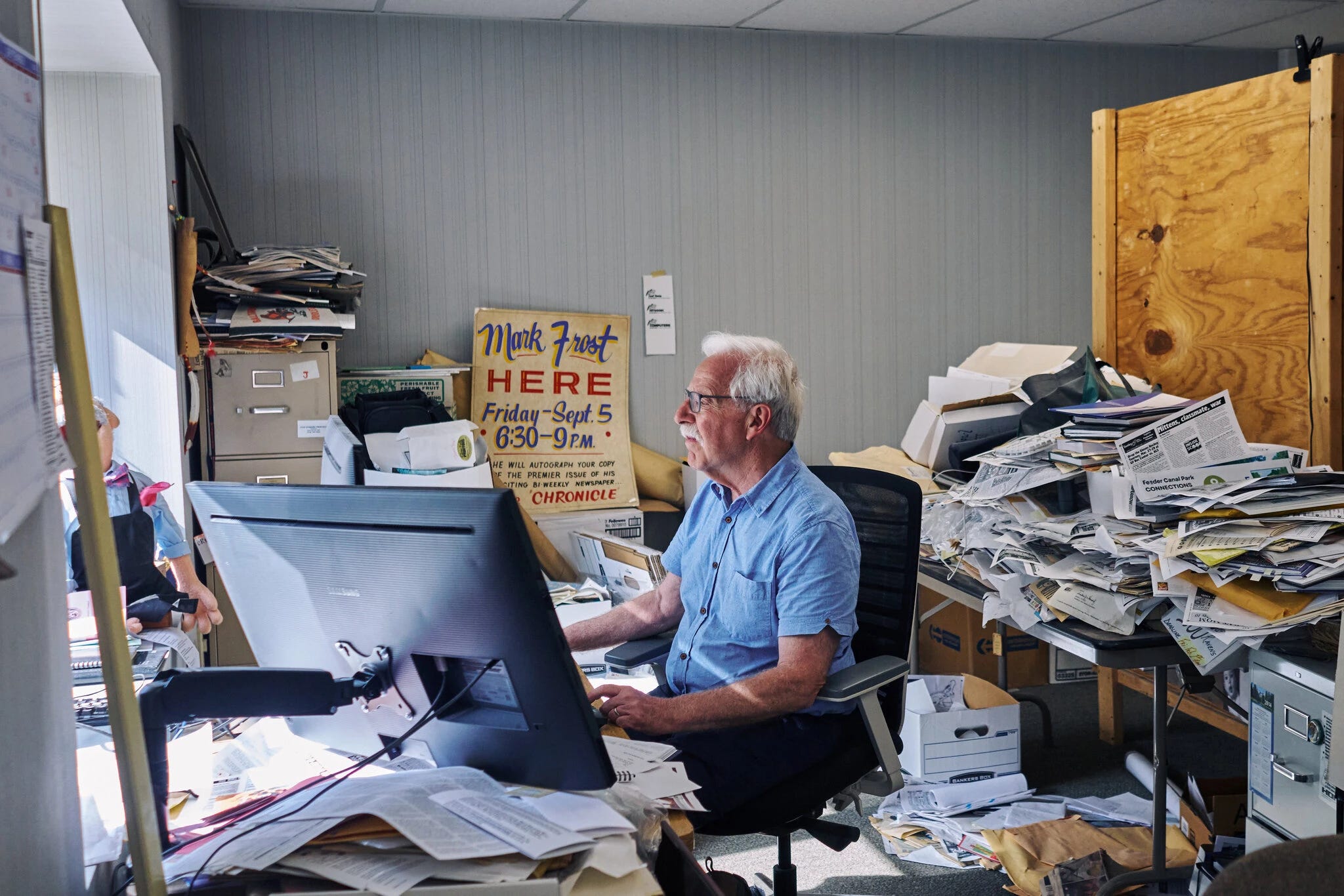
Mark Frost founded The Chronicle in Glens Falls, New York in 1980 on a $1,700 investment. It took nine years to turn a profit. Today it’s still running, free, weekly, print in a media landscape that has swallowed nearly 3,500 newspapers since the mid-2000s.
The Chronicle prints 20,000 copies a week and blasts a digital replica to another 20,000 email subscribers every Thursday. It covers town hall meetings, school board decisions, restaurant openings, parking disputes, and the occasional rattlesnake attack.
Frost, now 75, does most of the work himself. Every Thursday morning he loads bundles into a Subaru Forester and drives them to drop-off points across the region.
At one Hannaford grocery store, a 74-year-old named William Norton waits in his truck to collect 40 copies for his neighbors in Stony Creek, a town so isolated that, as Norton put it, “that’s all they got to read over there.”
The model is free-to-reader, ad-supported, and deeply local. Frost has turned down multiple overtures to replicate it in other communities. His stated ambition: build one great newspaper.
That clarity of purpose has made it resilient. According to Northwestern University’s local news project, independent weeklies like The Chronicle have been “relatively resilient” precisely because large newspaper chains can’t be bothered with them.
The pandemic nearly finished it. The Chronicle went from a staff of 12 to four. But it has since been rebuilt to seven. A 44-page graduation issue in June 2026 was the biggest in six years.
But another challenge looms, as Frost grows older, succession planning is becoming a pressing question. His son has been contributing significantly to the business since his comedy career came to a stop. But I’m sure the Chronicle will handle this challenge just as it has handled the others over the years.
My POV: I love how community-led-infrastructure can turn content into personalised experience instead of just chasing scale.

Why are VCs wanting to own a piece of the social economy.
The recent Business Insider’s third annual list of VCs backing social startups showed interesting trends. For one, they are trying to make the internet social again. Here’s how:
The Business Case →
The original social media giants had a simple premise. Connect people. Then they got big, discovered advertising, and became media companies. All of them optimized for attention over connection.
That pivot left a gap. And now venture capital wants to fill it.
The thesis is simple: helping people connect with other people. And a lot VC firms including Menlo Ventures, Forerunner, A16z, Verdict Capital, and Premise are venturing into these five categories right now:
Vibe coding as social: Wabi and Sekai let people build, share and remix mini apps with AI. The idea is simple: people don’t just want to watch, they want to create.
Dating, rebuilt: AI dating startups like Overtone, Sitch and Known are trying to rethink matchmaking, rather than just build another dating app.
IRL social: Posh, Corner and others are using technology to get people off their screens and into real-world experiences.
AI as a social assistant: Startups like Town and Eigen are exploring whether AI can help us manage relationships and even discover new ones.
AI-powered entertainment: Suno, Lore and Status are making entertainment more participatory, letting people create, play and engage rather than just consume.
My POV: The internet was all about creating content, distributing and gaining followers, but now what VCs are betting on is participation, with AI making it possible to build for individuals, not just audiences.
And that could reshape the creator economy. It was built on one-to-many: creators broadcast, audiences consume. But if everyone can create, remix and build, where does the creator end and the audience begin?

🗞 Creator Gossip
This creator surpassed a million followers after 17 years of creating content. Talk about playing the long game.
Paramount is getting into microdramas, bringing short, TikTok-style shows to mobile streaming as Hollywood chases the next big way to keep audiences hooked.
Another week, and celebrities deciding they want their own corner of YouTube. Hollywood is increasingly realizing that owning the audience beats renting it from traditional media.
Ted Lasso is using fashion in a surprisingly clever way and turning what characters wear into part of the storytelling. Apparently, the wardrobe department has entered the content strategy chat.

Subscribe | Advertise | Apply for funding | Watch | Follow