


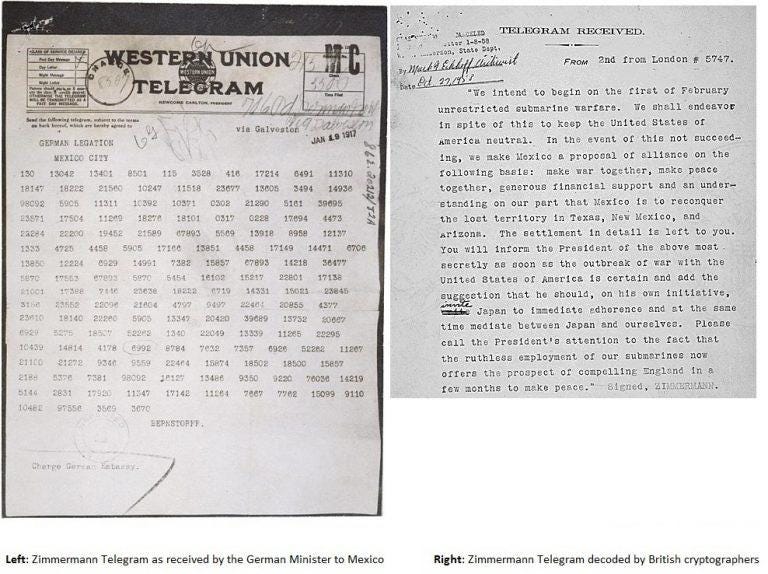
In 1917, Germany secretly offered Mexico quite an extraordinary deal: declare war on the United States, and Germany would help it recover Texas, Arizona and New Mexico.
There was one small complication. Germany was also trying to keep America out of the First World War.
Unfortunately for Berlin, British intelligence intercepted the telegram. When its contents became public, Germany initially questioned its authenticity before admitting it was genuine.
A spectacular diplomatic failure, and a reminder that keeping two contradictory stories alive works remarkably well until someone compares notes.
But what interests me more is the economics of cheating.
In 1968, economist Gary Becker argued that wrongdoing could be understood through incentives: the potential reward, the probability of detection and the cost of getting caught.
Under this logic, cheating can be a perfectly rational economic decision, provided you assume everyone else is an idiot.
Consider Boris Onishchenko, the Soviet pentathlete competing at the 1976 Montreal Olympics.
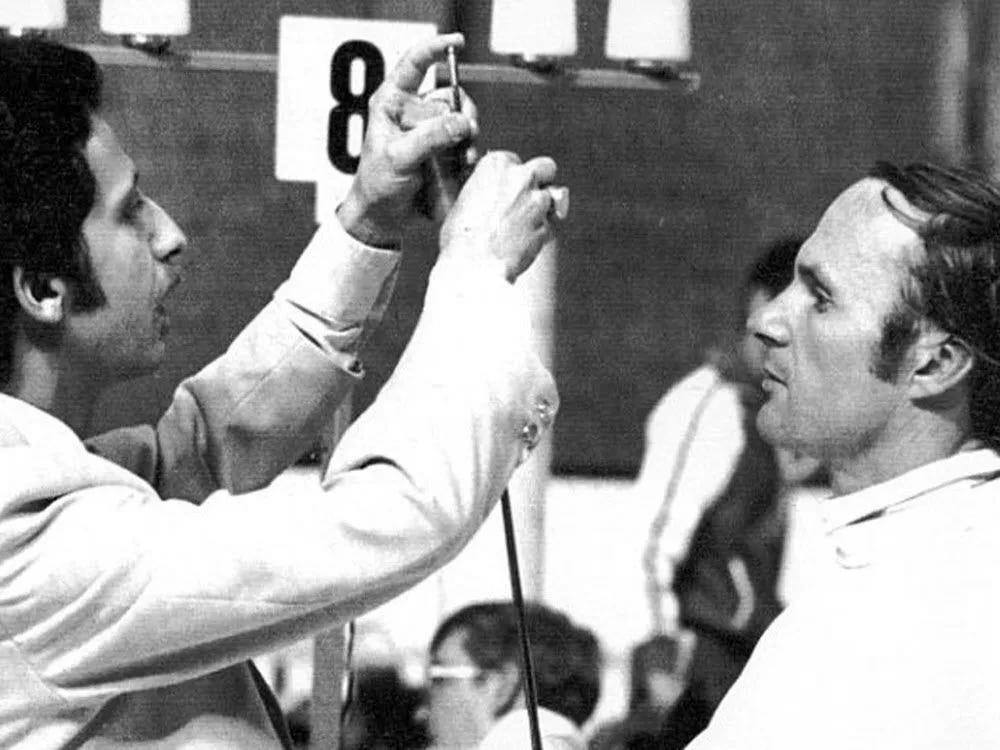
During the fencing event, he was caught using an épée modified with a concealed electrical switch that could register a hit without actually touching his opponent.
An incredible piece of engineering, deployed in the service of not having to fence particularly well. He was disqualified, and the Soviet team was removed from the competition.
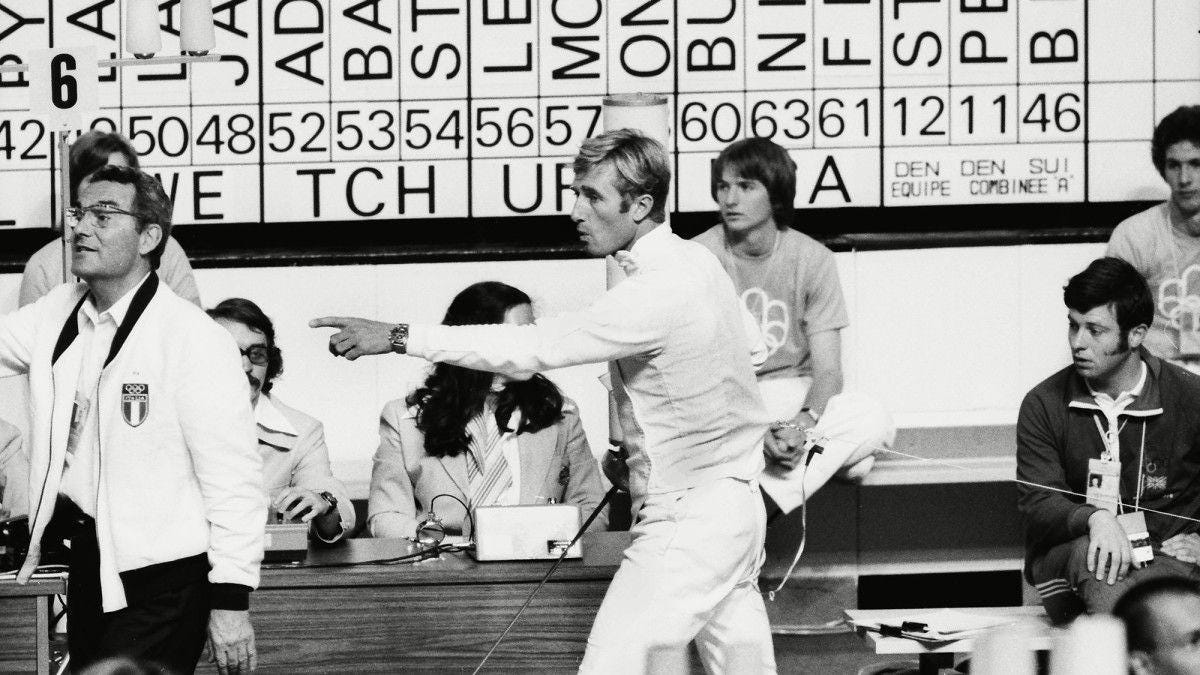
The interesting thing about Onishchenko is that he’d already won Olympic medals. He had the ability to compete legitimately, yet decided that secretly rewiring his sword offered a better return.
Which raises a question economists have been studying for decades: why risk something valuable for an advantage you may not even need?
The same logic applies to business. Companies that cook their books can attract investment and those that cut corners can undercut competitors. Although Elizabeth Holmes is now discovering that the returns aren’t quite as attractive when calculated in prison years.
Either way, economists call this free-riding: profiting from rules everyone else pays to follow. But markets only work because we don’t have to investigate every transaction. Trust makes business possible but cheating makes it more expensive for everyone.
And occasionally, someone mistakes that trust for stupidity.
Which may be the greatest miscalculation in the economics of cheating: confusing the absence of suspicion with the absence of intelligence.
As Boris discovered, not checking the sword doesn’t mean nobody knows how fencing works.