


Good afternoon, and welcome to the fifth issue of Creator Games.
I’m Salil, co-founder of Third Studios, I lead everything creator economy at THIRD, and I’ll be writing and editing this newsletter every week.
Creator Games exists to discover, fund and tell the stories of the next generation of creator entrepreneurs. This newsletter is where we share the ideas, companies and opportunities driving that mission across Asia, Africa and the Middle East.
If you’ve got any stories to share or any feedback, feel free to email me at salil@third.group.
— Salil
Today’s lineup:
This founder turned Cursor into an AI buddy that teaches you
This founder built a global creator army for Korean brands
Brands are handing creators the brief

This founder turned Cursor into an AI buddy that teaches you
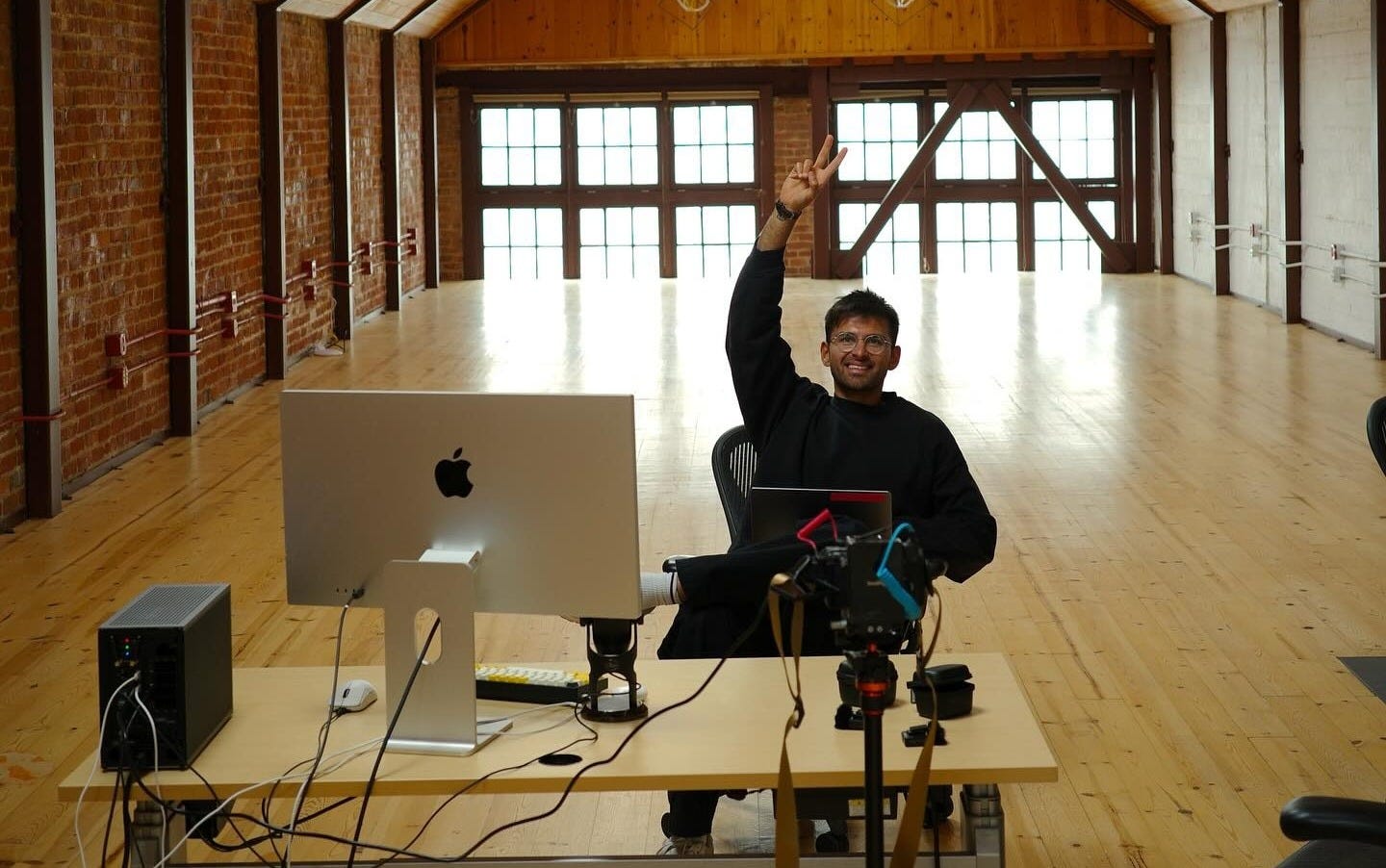
I was introduced to Farza during his buildspace days. He struck me as a founder who is cool, deeply online, and understands content and community really well. And that’s what makes him really special.
So this issue, we chat with a creator-founder whose curiosity has taken him from childhood side hustles to building Clicky. And what his journey tells us more about creator founders.
The Business Case →
Farza grew up in Florida, and as a teenager, he was already experimenting with ways to make money online like selling games and other products on ebay.
He built Zip School, as a tool to help parents navigate homeschooling. Post pandemic, changed into live online classes for kids. That’s when he was admitted to Y-combinator in 2020.
Later, in Dec 2021 he launched buildspace, and in Nov 2022 that caught a16z’ attention.
After successfully growing buildspace to 120,000 builders at its peak, raised $10M led by a16z, he shut down in August 2024. It was kind of a shock to me personally, because it felt like he was onto something big.
Later, he started shipping small experiments again. To be honest, I remember watching his first YouTube video when he was back, it kind of got me excited on what he was building next.
So finally, in April 2026, he posted a demo on X. It showed a tiny animated blue companion sitting next to his cursor on his Mac screen. The companion moved with the cursor, could see the screen in real time, listened to voice commands, and talked back.
When it needed to show him where a button was, it physically pointed at it, an animated cursor flying to the exact pixel. He’d been using it to learn DaVinci Resolve. He called it Clicky.
The demo hit roughly 3 million views. The open-source repo crossed 6,300 GitHub stars almost immediately.
The whole thing started as a weekend project. Within weeks, it became HeyClicky and Farza was back in Y Combinator, his second batch, this time without even applying.
The experience is what makes it stand out. Most AI tools ask you to switch contexts, open a chatbox, describe what’s on your screen, paste in the error. Clicky skips all of that.
It’s already looking at what you’re looking at. The burden of communication drops. You don’t explain the problem, you just ask what to do next.
My POV: You know what’s best about creator products is that you are somehow attached to that creator without even knowing them personally. They trust their taste, follow their journey and want to see what they build next.
That gives creators a huge advantage. They already have people who can test the product, validate the idea and speed up the feedback loop.
The startup still has to go through the difficult 0 to 1 journey, of course. But solving for the first 1,000 true fans the hardest part for most startups becomes a little easier.
And that’s why I think creator-founders will continue to have an edge in the product race. It’s not just about having an audience. It’s about having distribution, trust and a community they can build with from day one.

This founder built a global creator army for Korean brands
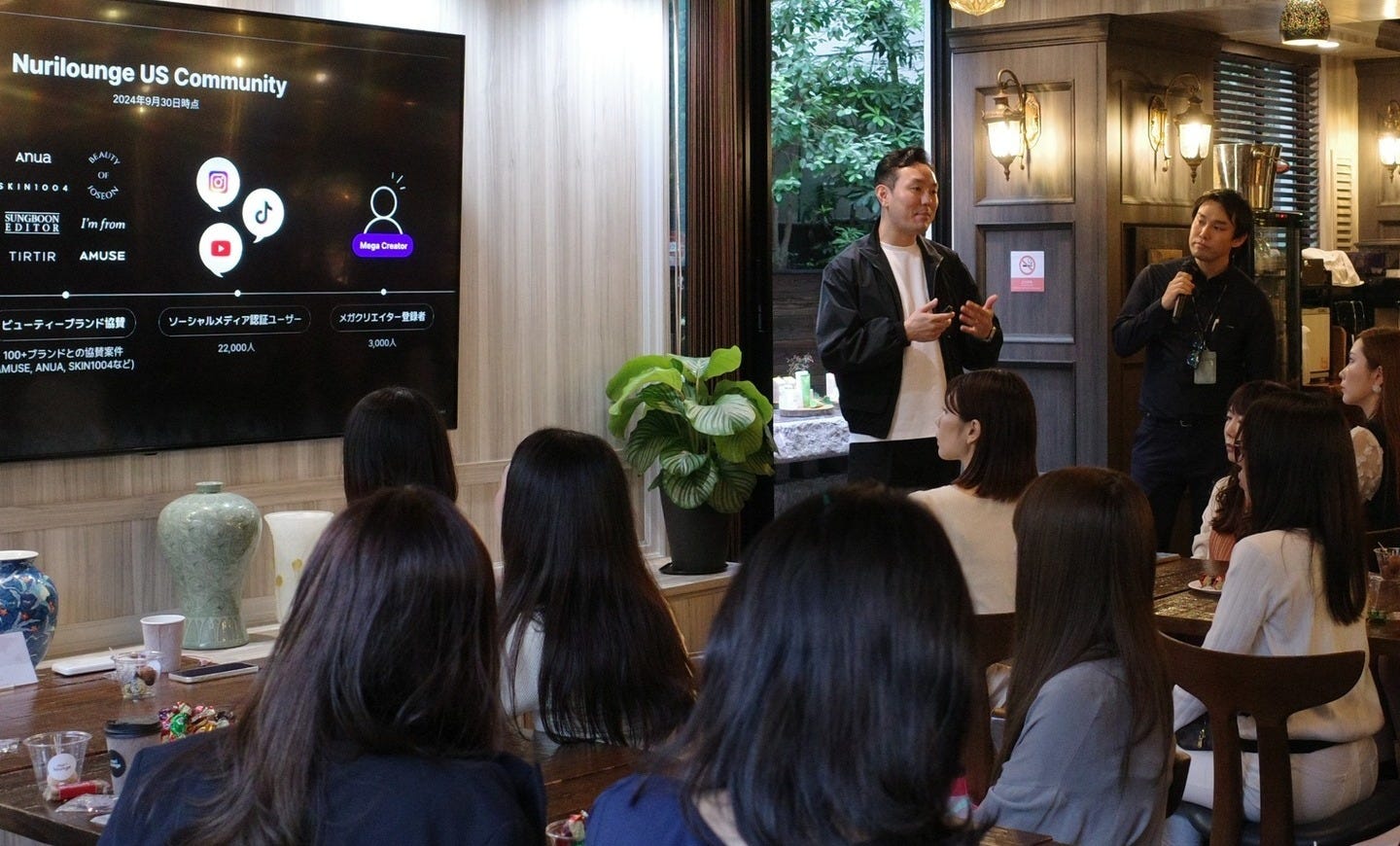
So, a few years ago, my friend’s sister started a Korean beauty brand. It never really took off in India, for whatever reason, but it was my introduction to Korean beauty products.
So when I came across Aram Baek’s story, I was immediately curious. Here was someone who had spent years building his own company and K-beauty brands, only to start a new chapter building the infrastructure layer connecting Korean brands with creators through Nurilounge.
The Business Case →
At first glance, you could call it a creator marketing platform. But I think that undersells what Aram is actually trying to build.
Nurilounge is essentially building the infrastructure that sits between brands and creators.
On one side, it has built a network of more than 1.5 million creators across 100+ countries.
On the other, it has worked with 400+ brands and run more than 2,600 campaigns. But what is interesting is that the company isn’t just matching a brand with someone who has a large following.
The matching is based on the data Nurilounge has collected from years of running campaigns: things like campaign completion rates, views, category expertise and content quality.
In other words, follower count is only one signal.
A brand comes in with a goal, target market and budget. Nurilounge helps build the campaign strategy, identifies the right mix of creators, manages outreach and coordination, oversees the content and then measures the results.
That ability to scale is probably one of the more interesting parts of the model.
The company says its infrastructure can support campaigns involving a handful of creators or thousands of them, while its current database spans creators from nano to mega influencers. Its reported average campaign content completion rate is over 70%.
But Nurilounge isn’t only building software or a database. It is also building a creator network. Creators can access brand campaigns, paid collaborations, products and offline events.
Nurilounge has been running creator-focused events since 2023, with activations across Seoul and New York designed to bring creators and K-beauty brands together in person.
My POV: The biggest companies often build infrastructure that helps others grow. Amazon did it for sellers, Uber did it for drivers and Nurilounge is doing it for brands and creators.
Build the rails, and as the ecosystem grows, you grow with it.

Brands are handing creators the brief
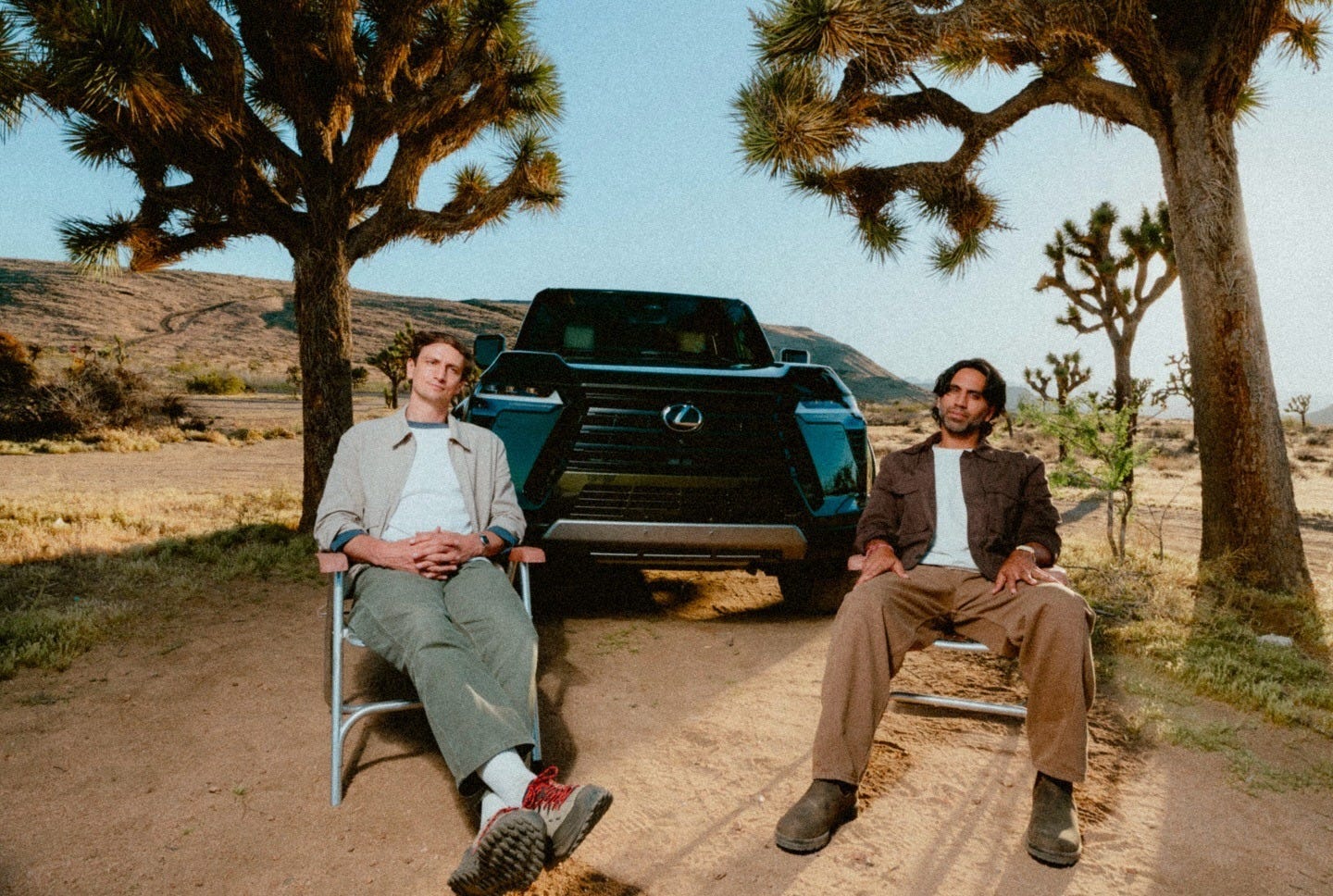
The recent Colin and Samir partnership with Lexus is a good example of how authenticity is winning on the internet. And if you haven’t read about the campaign yet, you should definitely check it out.
The Business Case →
Colin & Samir Start Over is a four-part series where the duo travels across the U.S. in Lexus cars while taking on different creative projects. But what makes this partnership interesting is that it didn’t start with Lexus handing Colin and Samir a brief.
The campaign came from a deeply personal place. After losing their homes in the Los Angeles wildfires and dealing with creative burnout, they wanted to leave L.A. and rediscover their creative spark.
They turned that feeling into an idea, pitched it to Lexus, developed the creative strategy and produced the campaign themselves. And this wasn’t simply Lexus giving creators a budget and asking them to make a few sponsored posts.
Colin and Samir say they developed the campaign with Google Creative Works, Google’s internal creative consultancy, and then worked with Portal A to produce the larger campaign assets.
We’ve seen this shift elsewhere too. YouTube has highlighted Toyota’s partnership with creator Zach King, where he was given the freedom to create, star in and direct his own Indiana Jones-inspired short film for the brand.
And the infrastructure is beginning to catch up to this idea.
Google now allows brands to take creator-made YouTube videos and turn them into paid campaigns, meaning the same piece of content can work organically on a creator’s channel and then be amplified through paid media.
My POV: The creator is no longer just the distribution channel. They’re increasingly becoming the creative agency, the talent and the media channel, all at once.
The real shift is bringing creators in at the idea stage, combining their creative instincts, audience relationship and distribution into a new advertising model.

🗞 Creator Gossip
Influencers are becoming a bigger force behind what people buy globally. And in Brazil, India & South Africa, their influence is only getting stronger.
Jimmy Fallon’s 20 million views might be the moment micro-dramas officially went mainstream. What started as bite-sized, mobile-first entertainment is now catching the attention of major networks and late-night TV.
Hollywood is starting to compete for the people who understand internet-native audiences, creators, algorithms, and monetisation. The “YouTube person” is becoming a C-suite-level hire.
OpenAI flew a group of influencers to a luxury retreat. The internet had thoughts. What was meant to be a creator getaway quickly turned into a backlash, with people questioning why influencers were being courted while concerns around AI’s impact continue to grow.

Subscribe | Advertise | Apply for funding | Watch | Follow